
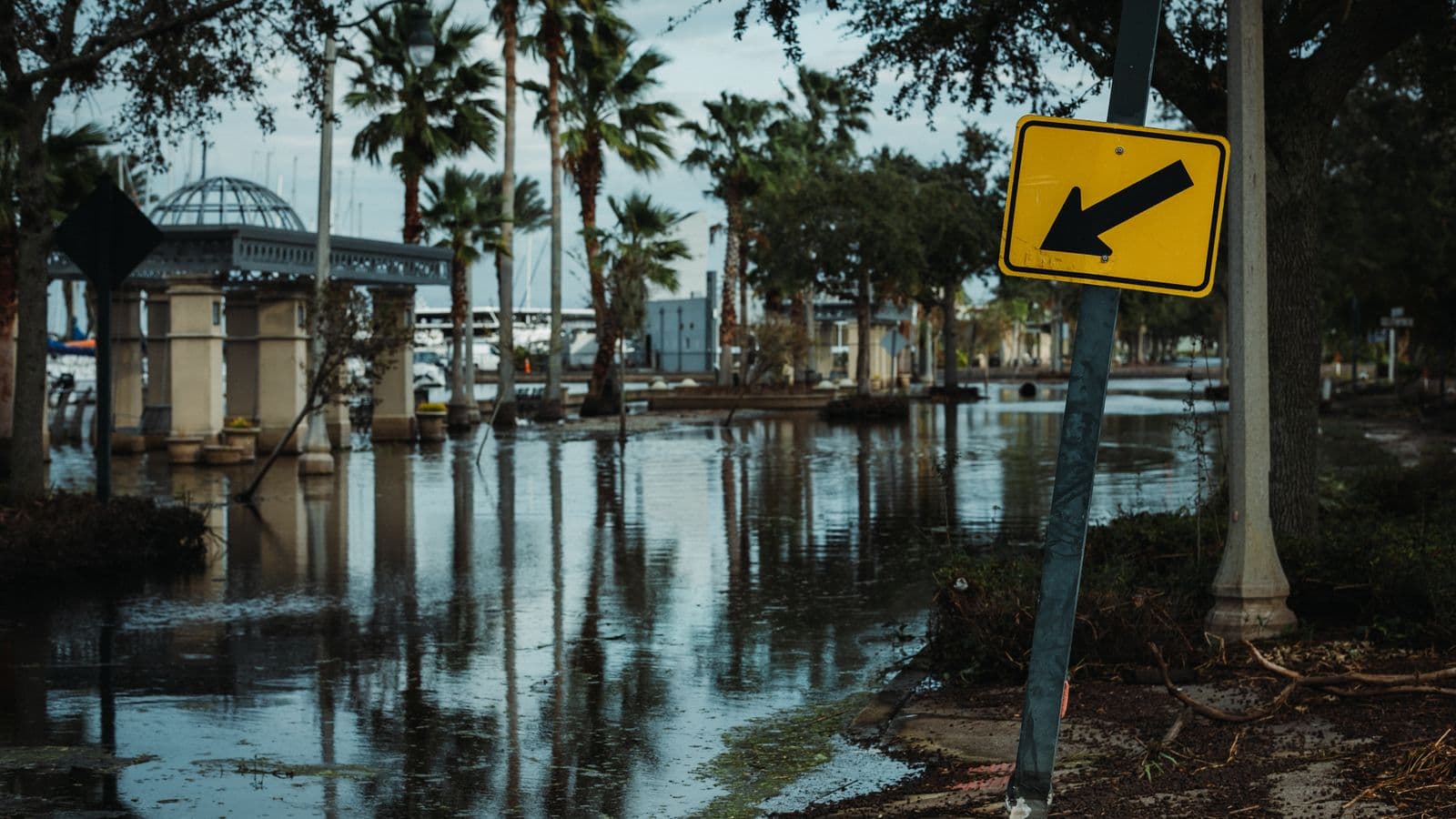
A standard renters insurance policy does not cover flooding, so Louisiana tenants who want their belongings protected from rising water need a separate contents flood policy. This isn't a footnote — in a state with Louisiana's flood history, it's the single biggest gap renters discover too late. The line is simple: water damage from inside your unit (a burst pipe, an overflowing appliance) is covered by renters insurance, but flooding from outside — rising water, storm surge, flash flooding — is not.
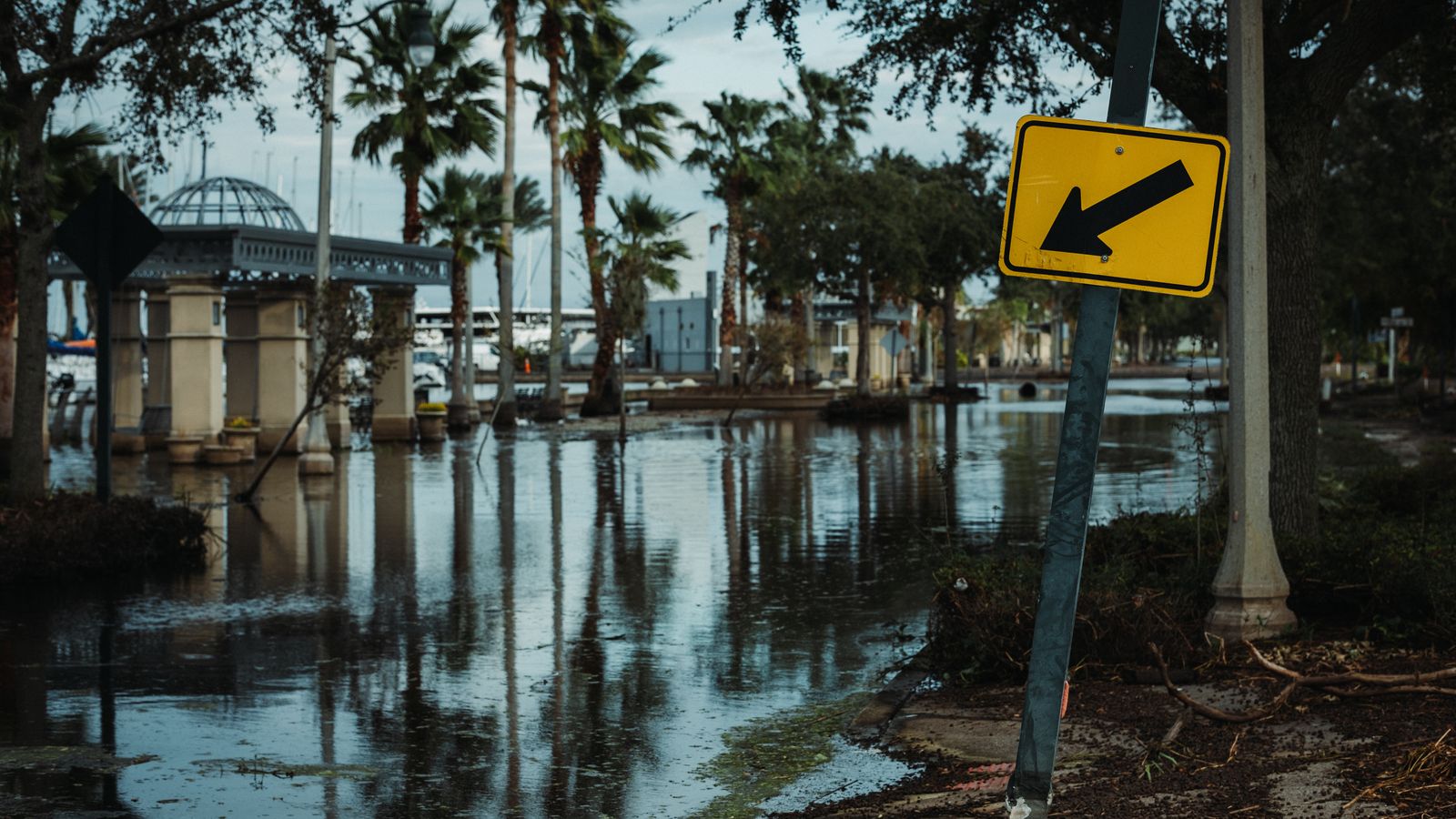
Here's the gap most Louisiana renters never see until it's too late: your renters insurance does not cover flood. Standard renters policies protect your belongings from fire, theft, and many kinds of water damage — but never from rising water. In a state shaped by hurricanes, storm surge, and river flooding, that's not a technicality; it's the single biggest coverage gap tenants discover after their things are already ruined. This guide draws the line clearly between the water damage renters insurance does cover and the flooding it doesn't, and shows how Louisiana tenants can close the gap. The team at The Root Agency, helping Baton Rouge–area and statewide renters from our Goodwood Blvd office, makes sure you're not caught by surprise.
Key takeaways
- Standard renters insurance never covers flood damage to your belongings.
- Water damage from inside your unit (a burst pipe) is covered; flooding from outside is not.
- Tenants can buy a separate contents-only flood policy through the NFIP or a private insurer.
- Flooding happens in Louisiana even outside mapped high-risk zones.
- If you have belongings worth protecting and any flood exposure, contents flood coverage is worth considering.
Does renters insurance cover flood in Louisiana?
No — a standard renters policy never covers flood damage to your belongings. This is a universal exclusion, the same one that applies to homeowners insurance, and it doesn't change based on how much you pay for your renters policy.
So if a storm pushes water into your apartment or a river overflows into your ground-floor unit, your renters insurance will not pay to replace the belongings that water ruins. That surprises a lot of tenants who assume “water damage is water damage” — but insurers draw a hard line between water that comes from inside your unit and floodwater that rises from outside. Understanding that line before a storm is what separates a protected tenant from one facing a total loss with no coverage.
What water damage is covered vs. flooding that isn't?
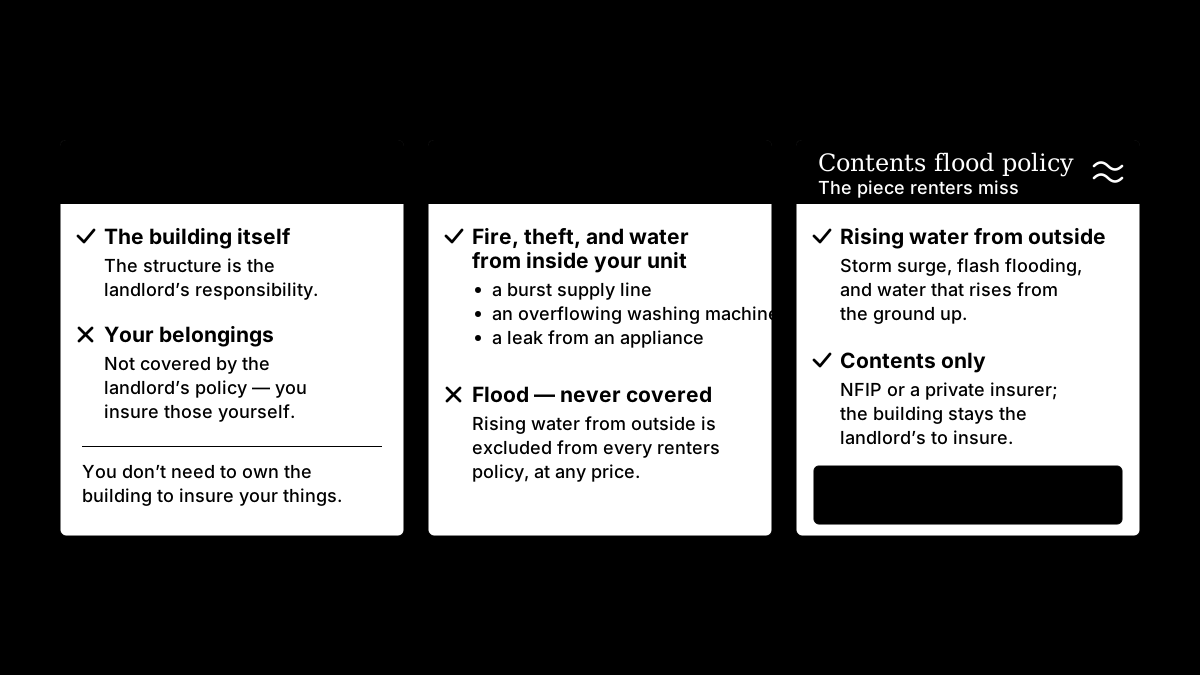
The dividing line is where the water comes from. This is the single most important thing for a Louisiana renter to understand, because it decides whether your policy pays.
- Covered by renters insurance: a burst supply line, an overflowing washing machine or water heater, a pipe that bursts inside your unit, or a leak from an appliance. The water originates inside.
- Not covered by renters insurance (flood-only): rising water, storm surge, flash flooding, and water that accumulates on the ground and enters your unit. The water comes from outside, from the ground up.
So the same storm can cause both — a burst pipe (covered) and rising water through the door (not covered). Only a separate flood policy handles the second kind. Our guide to what renters insurance covers in Louisiana walks through these boundaries in more detail.
How do Louisiana tenants get contents flood coverage?
Through a separate contents-only flood policy. You don't need to own the building to insure your belongings against flood — tenants can buy flood coverage for their personal property through the National Flood Insurance Program (NFIP) or a private flood insurer.
A renter's flood policy covers contents (your belongings) rather than the building, since the structure is the landlord's responsibility. According to FloodSmart, NFIP contents coverage is available to renters, and it's the standard way tenants protect their things from rising water. The Louisiana Department of Insurance (ldi.la.gov) offers consumer guidance on flood coverage. The key point: this is a distinct, affordable purchase that sits alongside your renters policy — not something your renters insurance can be upgraded to include.
Who should seriously consider it?
Any Louisiana tenant with belongings worth protecting and any flood exposure — which is most renters here. You don't have to be in a mapped high-risk zone to be at risk.
Consider contents flood coverage if:
- You rent a ground-floor or lower-level unit, where rising water reaches first.
- You live in or near a flood-prone area — and much of Louisiana qualifies, including the Baton Rouge region and Livingston Parish, which have real flooding histories.
- You own electronics, furniture, or belongings that would be expensive to replace.
- You want peace of mind that a storm won't wipe out your things with no recourse.
Importantly, flooding happens outside high-risk zones too, so “I'm not in a flood zone” isn't a reason to skip it. If your belongings matter to you and you're anywhere with flood exposure, it's worth pricing.
How do you set it up?
It's a quick, separate policy — and a local agent can handle it. Setting up contents flood coverage means buying a flood policy alongside your renters insurance, sized to protect your belongings.
The steps are simple: a local agent can confirm your flood exposure, quote NFIP (or private) contents coverage for your belongings, and set it up to run alongside your renters policy. One practical note — flood policies typically have a waiting period (often 30 days for NFIP) before coverage takes effect, so you can't buy it as a storm approaches and expect it to cover that storm. That's exactly why setting it up early, before hurricane season, matters. For the bigger flood picture, see our guide on whether you need flood insurance in Baton Rouge.
Don't let the flood gap catch you off guard
Your renters insurance protects a lot — but not your belongings from rising water, and in Louisiana that gap is real. The team at The Root Agency can quote a contents flood policy to sit alongside your renters coverage, so a storm doesn't leave your things unprotected. When you're ready, start on our renters insurance page or contact your Livingston-area team, and we'll close the gap before the next storm.
This article is general information, not insurance advice. Coverage depends on your specific situation — talk with a licensed agent about your renters and flood options.