
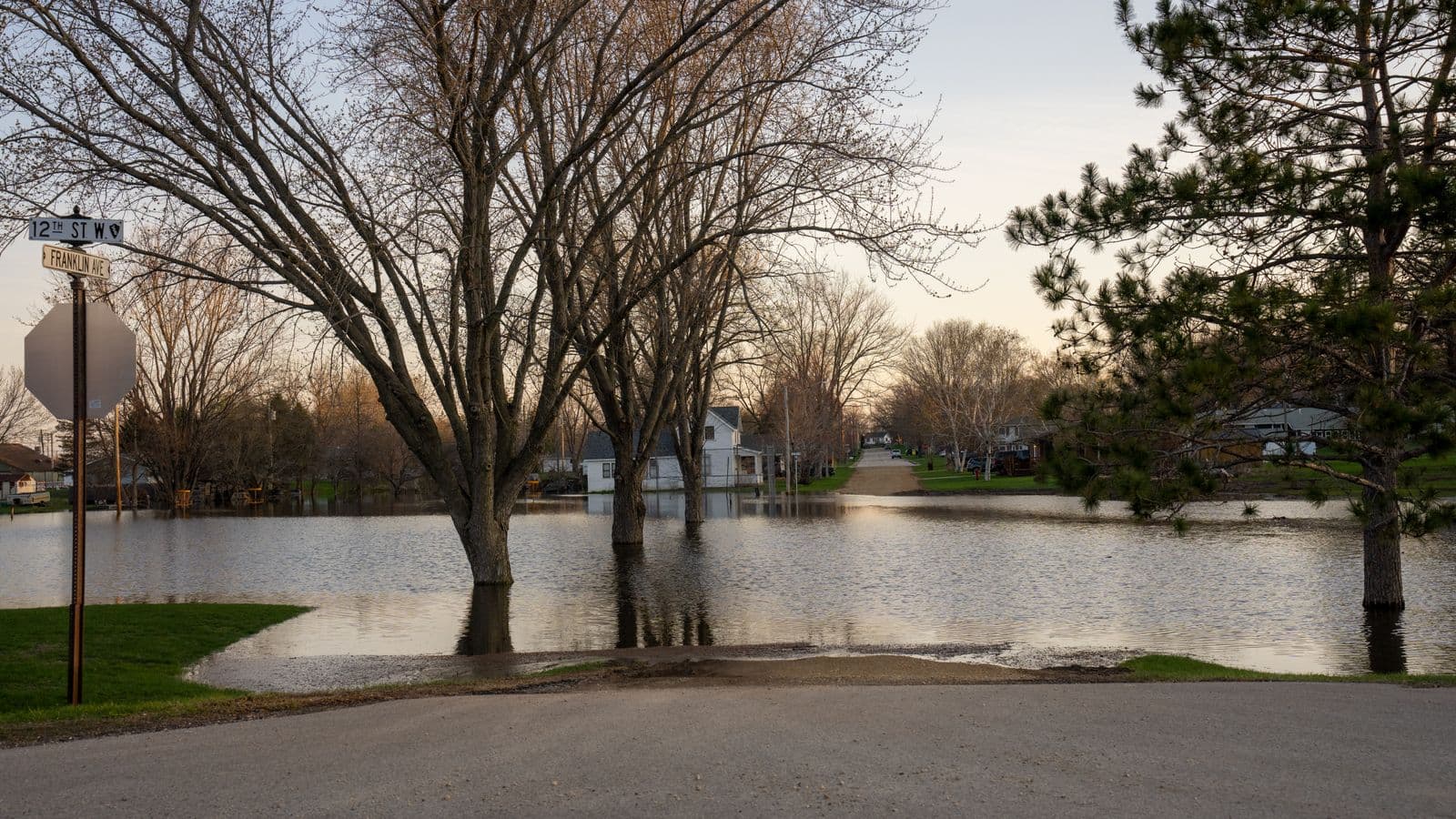
For most Louisiana homes, yes — flood insurance is worth it. Statewide flood exposure is high, a meaningful share of NFIP claims come from moderate-to-low-risk zones, and a single flood can cost more than years of premiums. The average NFIP flood claim paid from 2020 to 2024 was about $82,614, while FEMA disaster assistance is often a loan you repay, not a payout. In a state laced with rivers, bayous, and surge paths, the odds and the stakes both favor coverage.
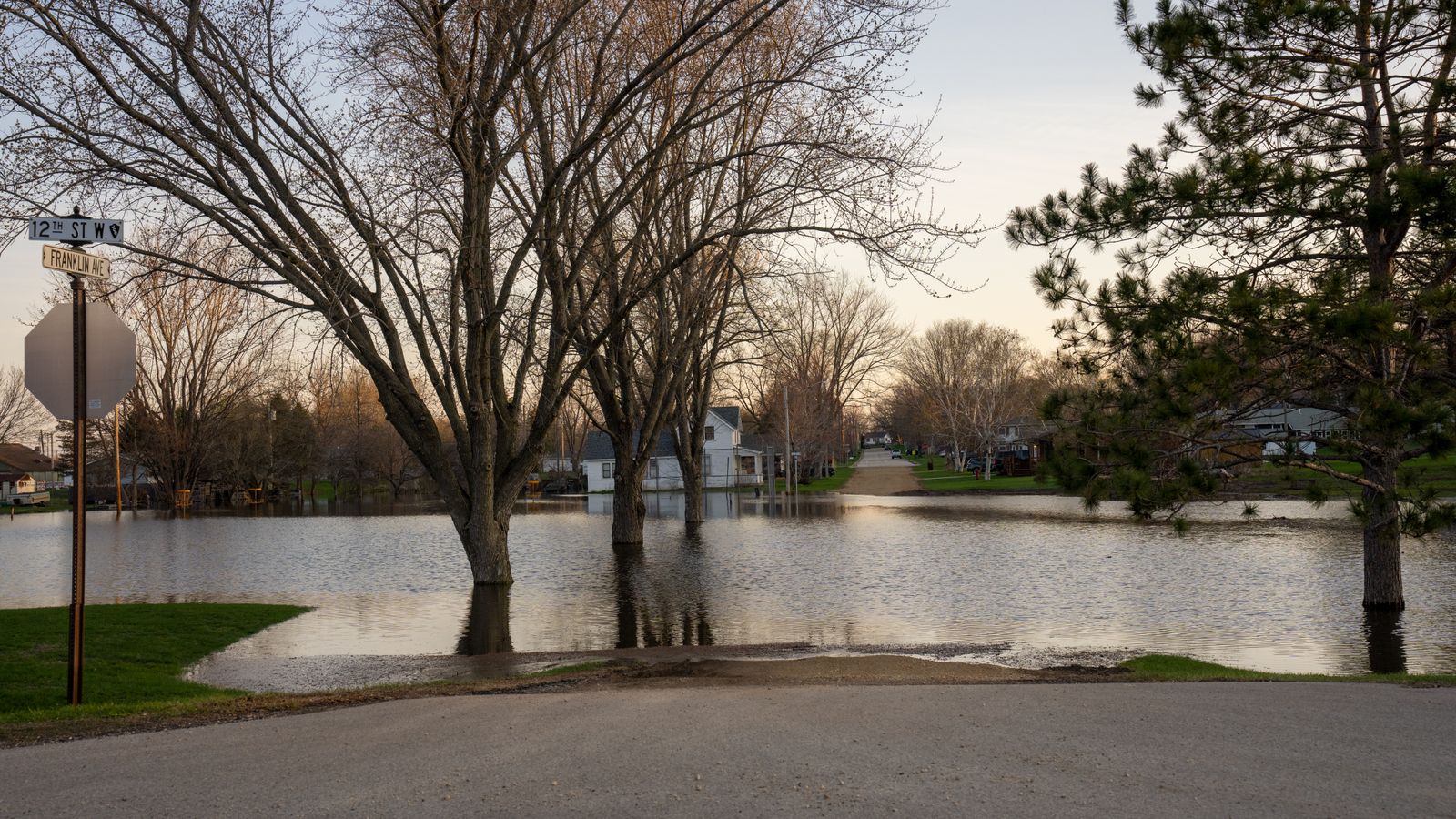
“Is flood insurance worth it?” is a fair question everywhere — but in Louisiana the math is unusually one-sided. A large share of flood claims come from outside high-risk zones, and a single inch of water can cost more than years of premiums. This isn't a scare tactic; it's what the numbers actually show for a state defined by water. This guide runs the real trade-off: what one flood costs, why “low-risk” zones still flood here, what FEMA disaster assistance really does, and how to weigh the premium against the risk for your home. The team at The Root Agency in Zachary can quote NFIP coverage so you can see the actual trade-off for your address.
Key takeaways
- For most Louisiana homes, flood insurance is worth it given the state's high exposure.
- Nearly a third of NFIP flood claims come from outside high-risk zones.
- The average NFIP claim paid from 2020–2024 was about $82,614 — often more than years of premiums.
- FEMA disaster assistance is frequently a loan you repay, not free money.
- Even homes that have never flooded sit near rivers, bayous, and storm-surge paths in Louisiana.
Is flood insurance worth it in Louisiana?
For most Louisiana homes, yes. The state's flood exposure is among the highest in the country, and the cost of a single flood dwarfs the annual premium for most homeowners — which tilts the math toward coverage more decisively here than almost anywhere.
The clinching point is that the risk isn't confined to mapped high-risk zones. A large share of Louisiana flood losses happen in areas classified as moderate-to-low risk, where owners often assumed they were safe. So “worth it” isn't just for coastal or riverfront homes — it applies broadly across the state. The honest exception: if you genuinely have no flood exposure and no lender requirement, you may not need it — but in Louisiana, true zero-exposure homes are rarer than people think.
What does one flood actually cost?
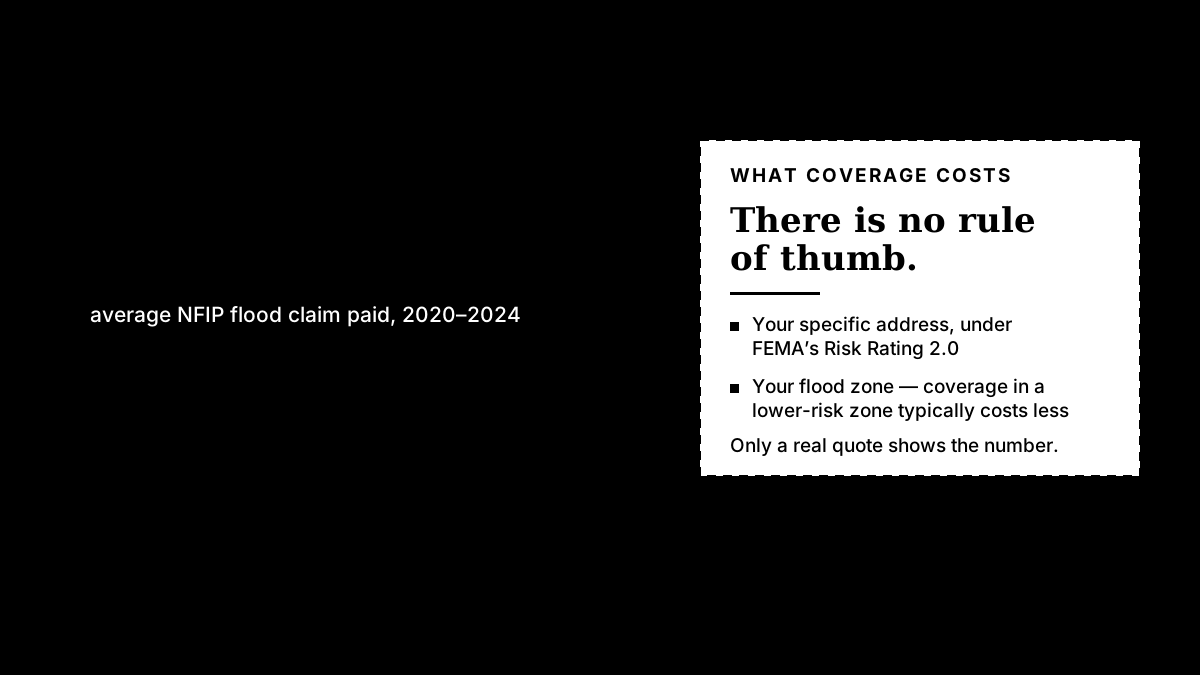
Far more than a year of premiums. According to FloodSmart, the average NFIP flood claim paid between 2020 and 2024 was about $82,614 — and floods routinely damage everything on a first floor at once: flooring, drywall, electrical, appliances, furniture, and belongings.
That's the asymmetry at the heart of the decision. A flood premium is a known, manageable annual cost; an uninsured flood is a sudden five-figure (or larger) hit with no one to absorb it. Even a few inches of water can require gutting and replacing the lower portion of a home. When you set the premium next to what a real claim pays, the coverage stops looking like an expense and starts looking like exactly the risk transfer insurance is for.
Why do “low-risk” zones still flood here?
Because Louisiana's water doesn't read flood maps. Nearly one-third of NFIP flood claims nationally come from outside high-risk flood areas, per FloodSmart — and Louisiana's geography makes it a prime example.
Heavy rainfall, overwhelmed drainage, river and bayou rise, and storm surge can push water into neighborhoods that FEMA maps as moderate-to-low risk. The 2016 flooding across the Baton Rouge region damaged many homes that were nowhere near a mapped high-risk zone. So “I'm not in a flood zone” is a weak reason to skip coverage here — it often means "I'm not required to have it,“ not ”I won't flood." And coverage in a lower-risk zone is typically less expensive, which makes the value proposition even stronger. Our guide on whether you need flood insurance in Baton Rouge covers this for local homeowners.
What does FEMA disaster assistance actually do?
Less than most people assume — and it's not a substitute for insurance. Homeowners sometimes skip flood coverage believing FEMA will simply make them whole after a disaster. In reality, federal disaster assistance is limited, only available when a disaster is federally declared, and frequently comes in the form of a loan you repay, not a grant.
According to FEMA, disaster assistance and flood insurance are not equivalent: assistance grants are typically capped well below the cost of major flood damage, and much of the help available to homeowners comes through low-interest disaster loans that add debt rather than replace your loss. Flood insurance, by contrast, pays your covered claim regardless of a federal declaration. Counting on disaster aid instead of coverage is one of the costliest bets a Louisiana homeowner can make.
How do you weigh the premium against the risk?
Put the two numbers side by side for your specific home. On one side is your annual premium — a known cost. On the other is your flood exposure and what a claim would run, which for most Louisiana homes is substantial.
A simple way to think about it: if a realistic flood would cost you tens of thousands you couldn't easily absorb, and your home has any meaningful exposure (and most Louisiana homes do), the premium is almost always the smaller number over time. The one honest caveat is that your exact premium depends on your address under Risk Rating 2.0 — so the way to make this decision isn't a rule of thumb, it's a real quote. A local agent can put your actual premium next to your actual risk so you decide on facts, not fear. For the broader cost context, see why insurance is so expensive in Louisiana.
Want to see the real trade-off for your home?
The best way to answer “is it worth it” is to put your actual premium next to your actual risk — not a rule of thumb. The team at The Root Agency will quote NFIP coverage for your address so you can see the honest trade-off and decide with real numbers. When you're ready, start on our flood insurance page or contact your Zachary-area team, and we'll run it for you.
This article is general information, not insurance advice. Your flood risk and premium depend on your specific property — talk with a licensed agent about your coverage.
Recommended
- Cheapest Flood Insurance in Louisiana: What Really Lowers Your Premium
- Renters Insurance and Flood in Louisiana: The Gap Most Tenants Don't See
- Hurricane Deductibles in Louisiana Homeowners Policies: Know What You Owe Before the Storm
- Flood Insurance in Baton Rouge: Coverage, Cost and How to Get a Quote