
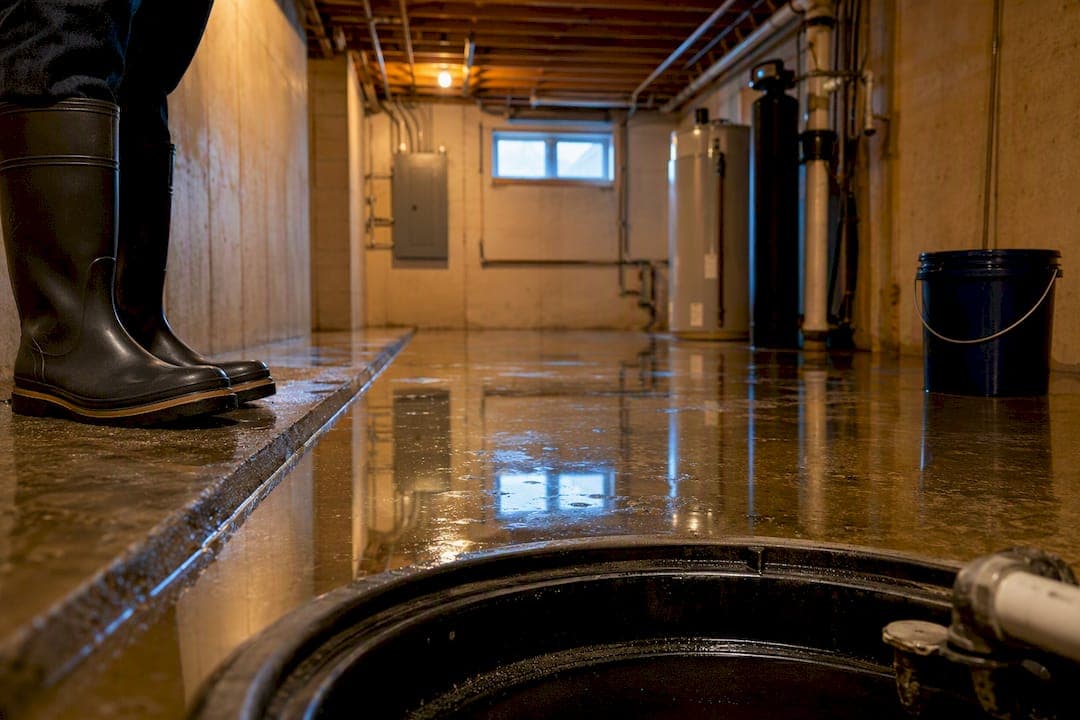
Prevent $20,000 Basement Losses: Local Louisiana Water Backup Coverage
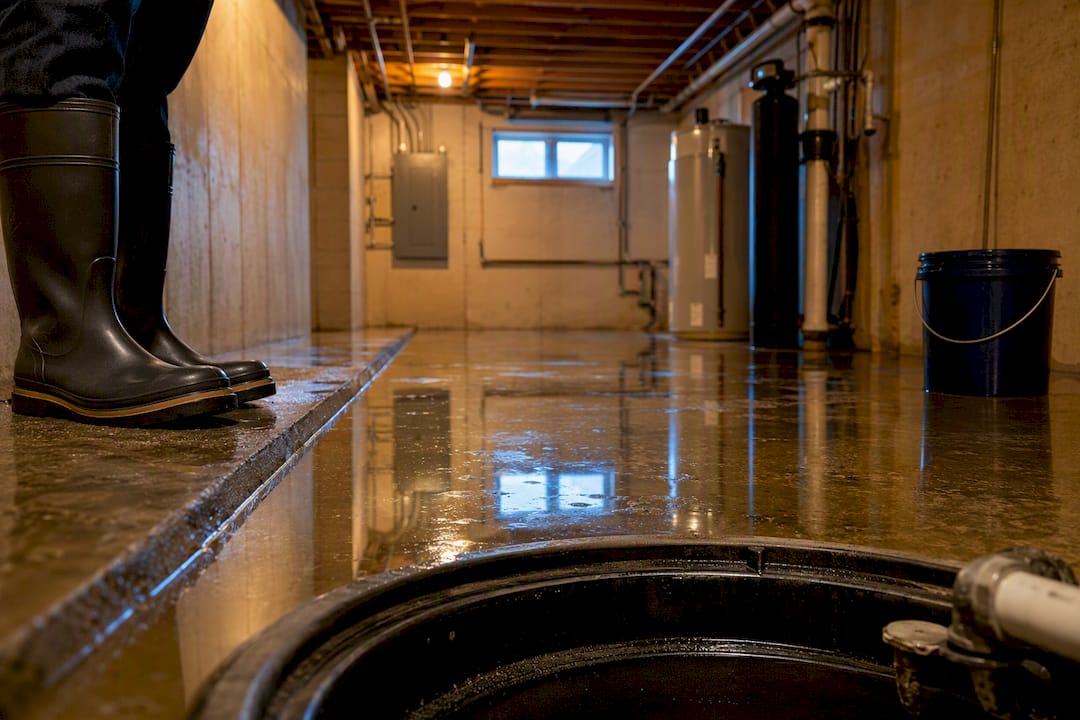
Water backup coverage is an endorsement added to your homeowners policy that pays for damage when sewers, drains, or your sump pump send water back into your home instead of standard flooding pushing in from outside. It covers sewer backups, clogged drain overflow, and sump pump failure. If you have a basement, a sump pump, or plumbing older than 20 years, you should strongly consider adding it, because standard homeowners policies exclude this peril entirely.
TL;DR:
- Water backup coverage typically covers structural repairs, property replacement, cleanup, and sump pump failures, but does not include flood or gradual leaks.
- It costs between $50 and $250 annually, with higher limits and lower deductibles increasing the premium, making it a low-cost safeguard.
- Homeowners with basements, older plumbing, or proximity to mature trees or aging sewer lines are at higher risk and should strongly consider adding this endorsement.
- Standard policies exclude sewer backups and septic issues, requiring a separate endorsement to be effective during a backup event.
- Prompt claim reporting and proper maintenance, such as regular sump pump tests and installing backup systems, can greatly reduce damage and claim denial risks.
Table of Contents
- What Water Backup Coverage Actually Pays For
- What This Endorsement Won’t Cover
- How Much Water Backup Coverage Costs
- Who Actually Needs This Coverage
- How to Add Coverage and What to Do If a Backup Happens
- Preventing a Backup Before It Starts
- Why Louisiana Homeowners Shouldn’t Skip This Endorsement
- A Policy Review Puts This Gap to Rest
- Steve Root’s Take: Coverage Gaps Hide in the Fine Print, Not the Headlines
- Sources
What Water Backup Coverage Actually Pays For
Most Louisiana homeowners assume their standard policy has them covered when sewage backs up through a drain. It does not. Standard homeowners insurance excludes sewer backups outright, which is exactly why this endorsement exists. Once you add it, here is what it typically pays for:
- Structural repairs to walls, floors, and finished basement spaces damaged by backed-up water
- Replacement of personal property, from furniture to electronics, ruined in the backup
- Cleanup costs, including mold remediation when the mold is a direct result of the backup
- Sewer backups and clogged drain overflow that push wastewater into your home
- Sump pump failure or overflow that lets groundwater flood a basement
- Septic system backups in homes on septic rather than municipal sewer
If the backup makes your home unlivable during repairs, loss of use coverage tied to your policy’s additional living expense (ALE) provision can cover a hotel stay or temporary rental. That connection matters more than most homeowners realize. A sewer backup that soaks a finished basement can take weeks to dry out, repair, and re-inspect for mold, and ALE is what keeps your family housed in the meantime.
What This Endorsement Won’t Cover
Water backup coverage has real limits, and confusing it with flood insurance is the single most expensive mistake we see homeowners make. Overland flooding, storm surge, and rising surface water require separate flood insurance through the National Flood Insurance Program or a private carrier. Water backup coverage never substitutes for it.
The endorsement also excludes:
- Wear and tear on pipes, fixtures, or the sump pump itself
- Gradual leaks that develop over months rather than a sudden backup event
- Replacement of the sump pump equipment after it fails from age
- Damage caused by neglected maintenance rather than a sudden covered event
Pro Tip: If your sewer lateral, the pipe connecting your home to the municipal main, needs repair, that usually falls under service-line coverage, a separate endorsement worth pairing with water backup protection.
Water damage remains one of the costliest categories of homeowners claims nationwide, which is exactly why insurers price the exclusions so tightly. Know where one coverage ends and the other begins before you ever need either.
How Much Water Backup Coverage Costs
Water backup endorsements are inexpensive compared to what a basement backup actually costs to repair. Annual premiums commonly run between $50 and $250, and some markets show quotes under $20 for minimal coverage limits, though pricing swings based on your home, your insurer, and your state.

Coverage limits typically come in different tiers, ranging from low to higher limits depending on the home’s basement condition and contents.
Your deductible on this endorsement may be separate from your homeowners deductible or shared with it, depending on the carrier. Higher limits and lower deductibles both push the premium up, but on an endorsement this cheap, most Louisiana homeowners find the extra coverage worth the few dollars a month it adds.
Who Actually Needs This Coverage
Not every home carries the same risk. Run through these factors to see where you land:
- You have a basement, finished or not. Basements sit lowest in the home’s drainage path, making them the first place backed-up water shows up.
- You run a sump pump. If it fails during a storm, you have no backup plan without this endorsement.
- Your plumbing predates 2000. Older clay or cast-iron pipes crack and root-intrude more often, raising backup risk.
- You live near mature trees or an aging municipal sewer line. Municipal sewer overflows are a documented cause of backups into private homes, and root intrusion from large trees is a leading cause of lateral line failures.
Pro Tip: Compare your likely repair cost, not your home’s total value, against your limit. A flooded unfinished basement might run $3,000 to $8,000 to clean and repair. A finished basement with drywall, flooring, and furniture can easily hit $20,000 or more.
How to Add Coverage and What to Do If a Backup Happens
Adding this endorsement takes one phone call. Here is the process, along with what to do if a backup hits before you’ve made that call.
Adding the endorsement:
- Call your agent directly, or request the endorsement through your insurer’s online portal.
- Ask specifically for “water backup and sump discharge” coverage by name, since some agents may not raise it unprompted.
- Choose your limit based on your basement’s condition and contents, then confirm your deductible structure.
- Don’t wait for a wet basement to make the call. Coverage doesn’t apply retroactively to a loss already in progress.
If a backup happens:
- Stop further damage where it’s safe to do so (shut off water source, move belongings to dry ground).
- Photograph everything before you touch or discard a single item.
- Save every receipt tied to mitigation, from a wet vac rental to emergency plumber visits.
- Call your insurer promptly. Fast notification and documented mitigation efforts materially improve claim outcomes and reduce the odds of a denial based on alleged neglect.
- Keep a written log of every call, adjuster visit, and repair estimate.
Most denials trace back to delayed reporting or evidence of unmaintained equipment, so documentation is your best defense on both fronts.
Preventing a Backup Before It Starts
A little maintenance goes a long way toward keeping your sump pump insurance claim-free.
- Test your sump pump monthly by pouring a bucket of water into the pit and watching it cycle.
- Install a battery backup for your sump pump so a power outage during a storm doesn’t leave your basement unprotected.
- Clean the float switch and clear the discharge line of debris each season.
- Never pour grease down drains, and install drain screens to catch hair and debris before they cause a clog.
- Have a plumber inspect older lines every few years for root intrusion or corrosion.
- Ask a plumber about a backflow preventer valve if your home sits low relative to the municipal sewer line.
Pro Tip: Sign up for your parish’s sewer advisory alerts if they’re available. A heads-up before a known system overflow gives you time to act before water backs up into your home.
Why Louisiana Homeowners Shouldn’t Skip This Endorsement
Louisiana’s combination of heavy rainfall, flat terrain, and aging municipal infrastructure creates exactly the conditions that cause sewer and sump pump backups, and standard homeowners policies leave that gap wide open. We’ve watched too many families discover this exclusion the hard way, standing in a flooded den wondering why their claim got denied.
Steve Root has spent more than 20 years building this agency on a 40-year family legacy in Louisiana insurance, and that experience shows up most clearly in how policies are reviewed before disaster hits, not after. The agency emphasizes catching coverage gaps in a policy review, not in a claims dispute. Bilingual, 24/7 claims support means you reach a real person who knows your policy, day or night.
A Policy Review Puts This Gap to Rest
The Root Agency is the local alternative to guessing whether your policy has this gap at all. Rather than combing through your declarations page alone, a policy review with our team walks through exactly where your homeowners policy stops, where the water backup endorsement should start, and whether flood insurance needs to join the conversation too.

Our services around this exact gap include full homeowners policy reviews, adding the water backup and sump discharge endorsement at the right limit for your basement and contents, coordinating flood insurance where your address calls for it, and 24/7 bilingual claims support backed by a catastrophe response team that shows up in person after a storm rather than routing you to a call center. If you’ve been carrying a policy for years without ever checking for this exclusion, now is the time. Call The Root Agency at (225) 926-0160 or request a homeowners policy review online, and find out exactly where your coverage stands before the next storm decides for you.
Steve Root’s Take: Coverage Gaps Hide in the Fine Print, Not the Headlines
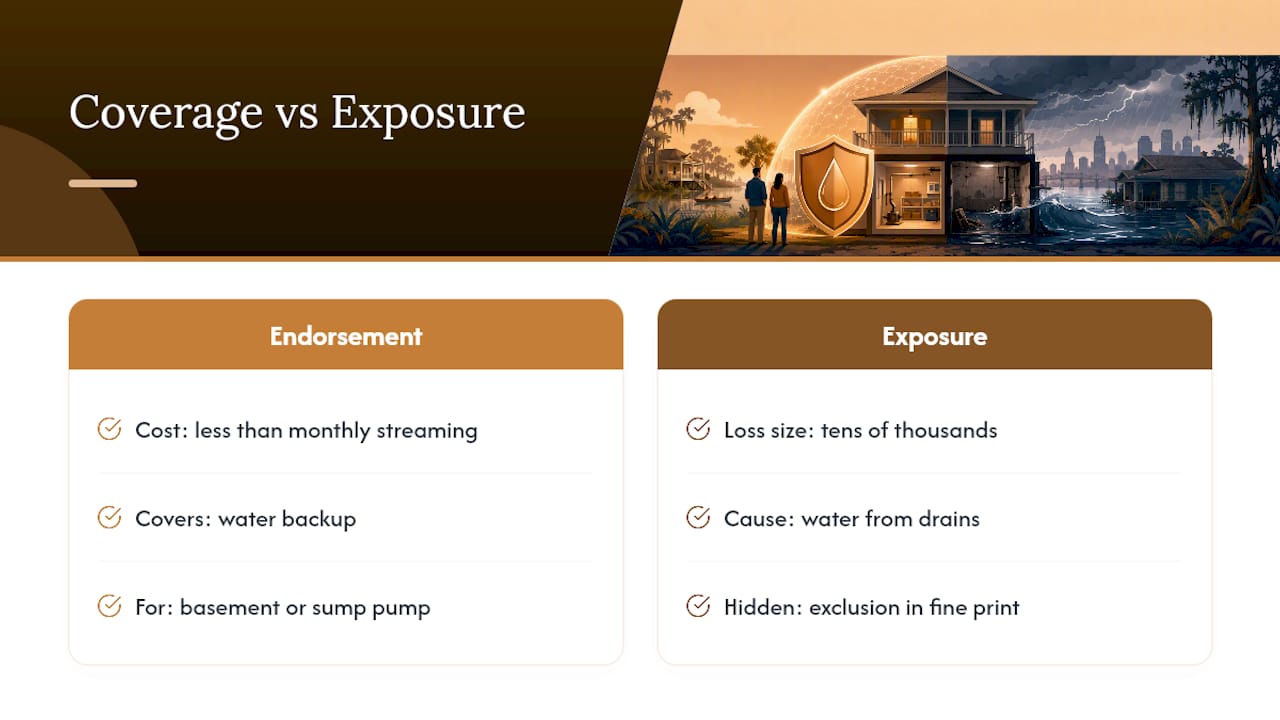
Most homeowners assume a “comprehensive” policy means comprehensive. It doesn’t, and the water backup exclusion is the clearest proof of that in Louisiana. I’ve seen the conventional wisdom that “my homeowners policy covers water damage” cost families tens of thousands of dollars, because the fine print draws a hard line between water coming from a pipe and water coming up through a drain.
What gets underestimated is how cheap the fix is relative to the exposure. We’re talking about an endorsement that often costs less than a monthly streaming subscription, protecting against a loss that can run into the tens of thousands. That math should not be a hard decision for anyone with a basement or a sump pump. The real risk isn’t the premium. It’s discovering the gap exists only after the water’s already in your den.
— Steve Root
Sources
This guide draws on data from the Insurance Information Institute, NerdWallet, MoneyGeek, Insurance, Experian, and the EPA.
- Does Home Insurance Cover Sewer Backups? — MoneyGeek
- What Is Water Backup Coverage for Homeowners and Renters? — NerdWallet
- Sanitary sewer overflows (SSOs) — EPA