
Avoid a 30 Day NFIP Gap: Flood vs Water Damage for Louisiana Homeowners

Flood damage and water damage are not the same thing, and the difference determines whether your claim gets paid. Water damage from a burst pipe or leaking roof is usually covered by a standard homeowners policy, but flood damage, defined by the National Flood Insurance Program as external inundation, almost always requires a separate flood insurance policy. If you have not confirmed which coverage you have, that is the first call to make, whether to FEMA’s flood insurance resources or to an agent like The Root Agency who can walk through your policy with you.
TL;DR:
- Flood insurance is usually separate from homeowners policies and is necessary for external inundations like storm surge or overflowing rivers.
- Water damage from internal causes such as burst pipes or appliance failures is covered by standard homeowners policies, but flood damage from outside sources requires NFIP or private flood coverage.
- NFIP policies have a 30-day waiting period for new coverage, with few exceptions like mortgage closings or recent flood map revisions.
- Proper documentation, prompt notification, and keeping samples of damaged materials are crucial for smooth claim processing after water or flood damage.
- Prevention measures, including regular sump pump testing and yard grading, can significantly reduce damage and claim costs, especially in high-risk areas.
Table of Contents
- What Counts as Flood vs Water Damage
- How Insurance Treats Each Loss: Homeowners Policy vs NFIP and Private Flood
- NFIP Essentials: Limits, Waiting Periods, and Exceptions
- Filing Claims and Documenting Damage the Right Way
- Prevention and Mitigation Steps Homeowners Can Take Now
- Why Local Expertise Matters After Water Hits Your Home
- A Louisiana Agent’s View on Coverage After the Storms
- How The Root Agency Helps You Close the Coverage Gap
- Where to Verify These Rules Yourself
- Sources
- FAQ
What Counts as Flood vs Water Damage
The line between flood and water damage comes down to where the water started. The NFIP defines flood as a general and temporary condition where two or more acres of normally dry land, or two or more properties, become inundated because of overflowing rivers, storm surge, rapid rainfall accumulation, mudflow, or similar events. Water damage, by contrast, originates inside the structure itself.
A few examples make this concrete:
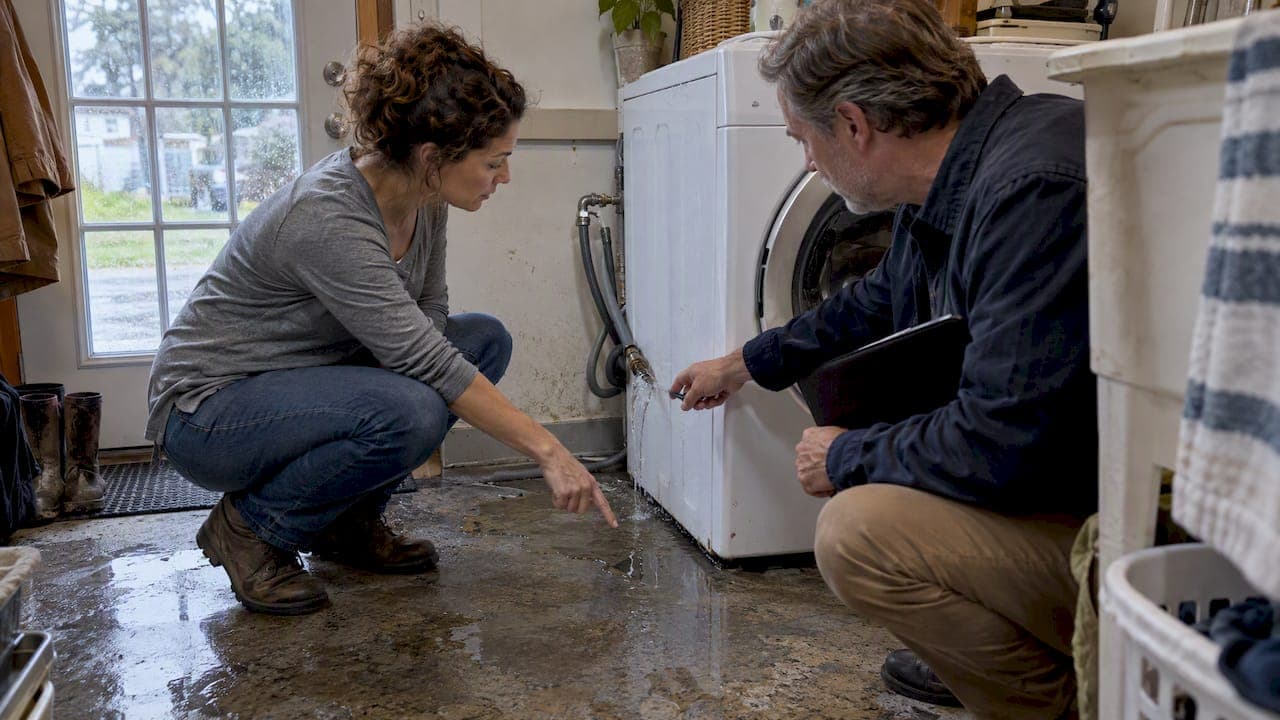
- A pipe bursts under your kitchen sink and soaks the cabinets: water damage, typically covered by your homeowners policy.
- Heavy rain overwhelms a nearby bayou and water rises into your living room: flood damage, requiring a flood policy.
- Your roof leaks during a storm and water drips through the ceiling: water damage from wind or storm intrusion, often covered depending on the cause.
- A sewer backs up into your basement during heavy rain: this sits in a gray zone that depends on cause and endorsement.
Sump pump failures and sewer backups are the trickiest cases because the water enters from inside the home, but the trigger event is often a flood outside it. Insurers look closely at the actual source before deciding which policy responds.
How Insurance Treats Each Loss: Homeowners Policy vs NFIP and Private Flood
Your standard homeowners policy handles sudden, internal water losses: a washing machine hose that fails, a water heater that ruptures, a pipe that freezes and cracks. It generally excludes flood and earth movement outright, which is exactly why flood insurance exists as a separate product. Standard homeowners policies exclude flood damage from outside sources, so a rising bayou or storm surge claim gets denied under a homeowners policy no matter how much damage it causes.
NFIP flood policies fill that gap, with standard coverage limits commonly set at $250,000 for the dwelling and $100,000 for contents, and contents are often settled on an actual cash value basis rather than full replacement cost. That distinction matters when you are rebuilding a kitchen or replacing furniture after a flood.

Private flood insurance can extend beyond NFIP caps. Homes valued well above the NFIP dwelling limit, or owners who want faster claims processing, sometimes turn to private carriers for broader limits or different underwriting terms.
Water backup endorsements are the piece most homeowners overlook. If your sump pump fails or a sewer line backs up, that loss usually needs a specific endorsement added to your homeowners policy, since it falls outside both standard water damage coverage and flood coverage. Check your declarations page, and read our breakdown of flood insurance vs homeowners insurance for a fuller comparison.
NFIP Essentials: Limits, Waiting Periods, and Exceptions
The NFIP builds in rules that catch homeowners off guard, especially the timing rule. New NFIP policies carry a 30-day waiting period before coverage takes effect. This means you cannot buy a policy once a storm is already bearing down on Louisiana and expect it to help.
There are narrow exceptions:
- Flood insurance purchased in connection with a loan closing on a mortgage.
- Coverage bought within 13 months of a map revision that newly places your home in a high-risk zone.
- A shortened waiting period tied to specific post-wildfire criteria in affected areas.
Outside those situations, the 30-day rule applies without flexibility. The NFIP claims handbook also lays out how claims get scoped: an adjuster inspects the property, measurements and photos get documented, and policyholders are instructed to keep damaged samples rather than discard them before that inspection happens. Skipping that step can cost you part of your settlement.
The practical takeaway is simple: buy flood coverage during calm weather, not hurricane season, because the waiting period does not bend for an approaching storm.
Filing Claims and Documenting Damage the Right Way
When water damage or flooding hits your home, what you do in the first 24 hours shapes how smoothly your claim moves. Follow these steps in order:
- Notify your insurer and agent immediately, and if the cause of the water is unclear, file with every policy that might apply since the policyholder is responsible for prompt notification across carriers.
- Document everything before cleanup begins: timestamped photos and video, a written inventory of damaged items, and physical samples of materials like carpet or drywall for the adjuster to inspect.
- Save every receipt tied to emergency repairs, temporary lodging, or contractor estimates, and keep copies of all written communication with your insurer.
- Make only reasonable emergency repairs to prevent further damage, such as tarping a roof or shutting off water, and hold off on signing any major repair contract until your agent or adjuster has weighed in.
- Call The Root Agency directly if your claim stalls or the cause of loss is disputed. We advocate locally rather than leaving you on hold with a call center.
Pro Tip: Keep a damaged sample of flooring, drywall, or insulation in a labeled bag. Adjusters often need physical evidence, and tossing it before inspection can slow your payout.
Prevention and Mitigation Steps Homeowners Can Take Now
Reducing damage before it happens is cheaper than any claim. Start with routine maintenance:
- Test sump pumps every few months and keep a battery backup on hand for power outages.
- Inspect washing machine and dishwasher hoses annually and replace any that show cracking.
- Clean gutters twice a year and check roof flashing after major storms.
- Grade your yard away from the foundation and extend downspouts at least five feet from the house.
For homes in higher-risk areas, structural mitigation is worth a serious look: elevating mechanical systems, using flood-resistant materials on lower levels, or installing flood vents to relieve pressure during inundation. NFIP’s Increased Cost of Compliance coverage can help offset some of these upgrades after a covered flood loss.
Non-structural steps matter too. Move valuables off basement floors, install water sensors near appliances, and keep a folder of insurance documents somewhere you can grab quickly during an evacuation.
Pro Tip: A $30 water sensor near your water heater can alert you to a leak before it soaks a floor, often the difference between a repair and a full remediation job.

Why Local Expertise Matters After Water Hits Your Home
Steve Root has spent more than 20 years building on a 40 year family legacy in Louisiana insurance, and that experience shows up most when a claim gets complicated. The Root Agency holds 356 five-star Google reviews, a reflection of clients who needed help sorting out exactly this kind of coverage confusion. Homeowners frequently misclassify sewer backup as flood damage, or file with the wrong policy first, costing them weeks of delay. Mobile catastrophe response units can deploy directly to disaster zones after major storms, and bilingual claims teams may support English and Spanish speaking clients around the clock. Local advocacy shortens the distance between filing a claim and getting paid fairly for it.
A Louisiana Agent’s View on Coverage After the Storms
Louisiana sits in the bullseye for hurricanes, and I have watched too many families discover the gap between flood and water damage coverage only after the water was already in their living room. The families who recover fastest are not the ones who found the cheapest premium years earlier. They are the ones who understood their policy before the storm arrived and had an agent who answered the phone the week after. That is the lesson twenty years in this business teaches you: coverage you understand beats coverage you assumed.
— Steve Root
How The Root Agency Helps You Close the Coverage Gap
Understanding the difference between flood and water damage only matters if your policy actually reflects it. An insurance agency can review your homeowners coverage alongside flood insurance options so nothing falls into the gap between the two, backed by 24/7 claims support and a catastrophe response team that shows up in person after a storm rather than routing you through a call center.

Services relevant to this coverage gap typically include:
- Homeowners insurance review for water damage exclusions and endorsement gaps.
- Flood insurance through NFIP and private markets for coverage beyond standard limits.
- Bilingual, 24/7 claims support from local agents familiar with regional risks.
If you want a straight answer on where your current policy leaves you exposed, request a flood insurance review or browse our full lineup of coverage options to see what fits your property.
Where to Verify These Rules Yourself
For readers who want the source documents, FloodSmart’s flood definition lays out NFIP eligibility language, the NFIP claims handbook covers claims scoping in detail, and FEMA’s flood insurance page confirms limits and waiting periods. FEMA also addresses common myths about disaster assistance that often lead homeowners to skip flood coverage.
This article is general information, not a substitute for advice from a qualified financial advisor. Consult a qualified financial professional about your own circumstances before acting on anything here.
Sources
FAQ
Is Flood Damage the Same as Water Damage?
No. Flood damage comes from external inundation as defined by the NFIP, while water damage typically originates inside the home from a burst pipe or failed appliance. The distinction determines whether your homeowners policy or a separate flood policy responds to the claim.
What Are the Most Common Causes of Water Damage in a Home?
The most frequent causes are burst or frozen pipes, failed appliance hoses, water heater ruptures, and roof leaks during storms. Sump pump failures and sewer backups also cause significant damage but often require a separate endorsement rather than standard coverage.
Do I Need Flood Insurance if I Am Not in a High-Risk Flood Zone?
Yes, it is worth considering. Flooding happens outside mapped high-risk zones fairly often, since heavy rainfall and poor drainage can produce inland flooding regardless of zone designation, so a low-risk label does not mean no risk.
How Long Do I Have to Wait Before New Flood Insurance Takes Effect?
Most new NFIP policies carry a 30-day waiting period before coverage begins. Narrow exceptions apply for certain loan closings and flood map revisions, but otherwise you should buy coverage well before storm season rather than waiting until a storm is forecast.
What Type of Water Damage Does Homeowners Insurance Usually Not Cover?
Standard homeowners policies generally exclude flood damage from external water and often exclude gradual leaks or neglect-related damage. Flood coverage requires a separate NFIP or private flood policy since it falls outside standard homeowners exclusions.