
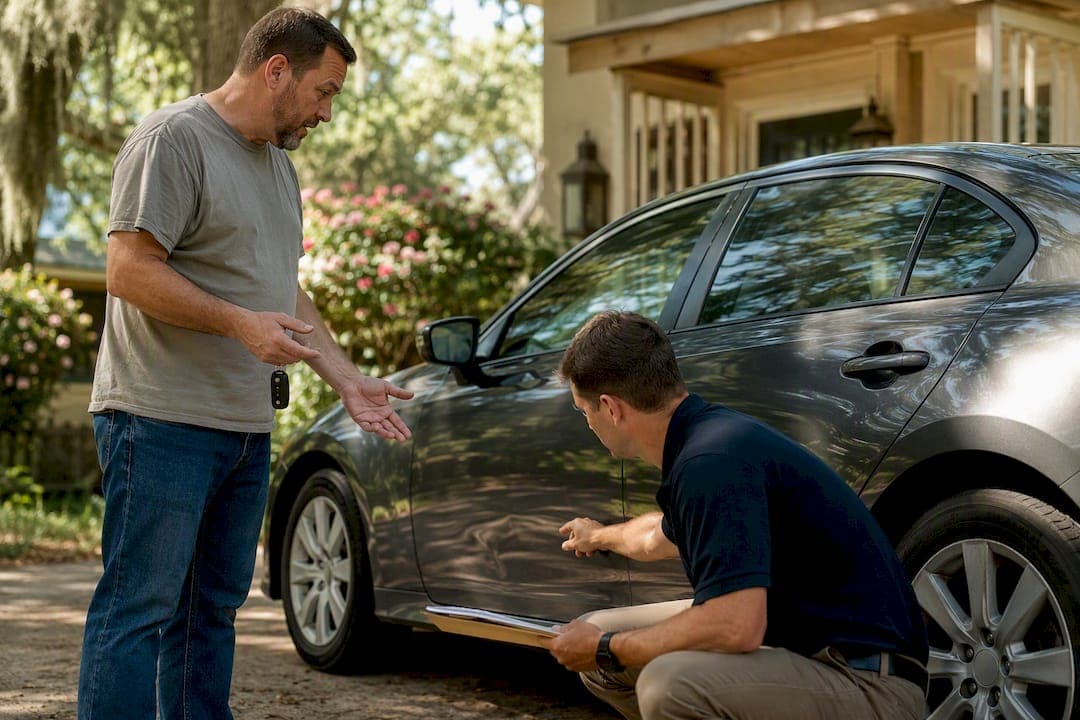
Louisiana Diminished Value Claims: Your Legal Recovery Rights
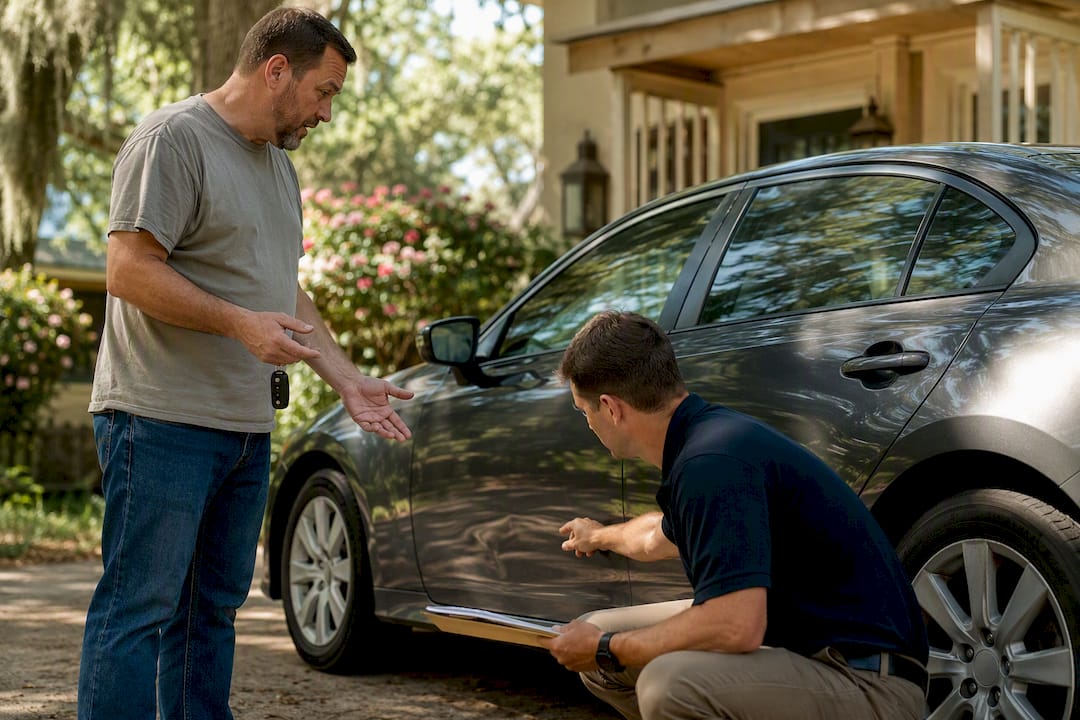
Yes, you can file a diminished value claim in Louisiana if another driver caused your accident. State law, La. R.S. 9:2800.17, entitles you to recover the gap between your car’s fair market value before the crash and its fair market value after repairs, once an accident history is on record. Diminished value is simply that gap: pre-loss value minus post-repair value.
Before you call your insurer or the at-fault driver’s carrier, do three things: preserve every scrap of proof, get an independent appraisal, and send a certified demand letter.
- Photograph the vehicle before and after repairs
- Save every repair estimate, supplement, and invoice
- Order an independent appraisal before settling anything
Key Takeaways
Louisiana vehicle owners can recover diminished value under R.S. 9:2800.17 by proving, with an independent appraisal and complete repair file, that a vehicle’s post-repair value is lower than before the crash.
| Point | Details |
|---|---|
| Statute governs recovery | La. R.S. 9:2800.17 lets owners recover diminished value if post-repair value is proven lower than pre-loss value. |
| Recovery has a ceiling | Total property-damage recovery, including diminished value, cannot exceed pre-loss fair market value. |
| Appraisals beat formulas | Local, comp-based appraisals hold up better than insurer percentage formulas like 17c. |
| Documentation decides outcomes | Repair invoices, parts lists, vehicle history reports, and market comps build the proof insurers cannot dismiss. |
| Timing and fault matter | A two-year prescriptive period applies, and being 51% or more at fault bars recovery entirely. |
| Local help is available | The Root Agency assists Louisiana clients with appraisal referrals and claim paperwork after an accident. |
This article is general information, not a substitute for advice from a qualified lawyer. Consult a qualified legal professional about your own circumstances before acting on anything here.
Table of Contents
- What Diminished Value Means Under Louisiana Law
- What Does La. R.S. 9:2800.17 Actually Say?
- What Evidence Proves a Diminished Value Claim?
- Which Valuation Method Actually Holds Up?
- How to File a Diminished Value Claim, Step by Step
- What If the Insurer Denies or Lowballs Your Claim?
- Mistakes That Quietly Kill a Diminished Value Claim
- When Should You Call an Attorney or Your Agent?
- What Louisiana Drivers Get Wrong About This Process
- How The Root Agency Helps After the Wreck
- Sources
What Diminished Value Means Under Louisiana Law
Louisiana courts and insurers recognize two kinds of loss. Inherent diminished value is the market stigma that sticks to a vehicle the moment it shows up on a vehicle history report with an accident record, even after flawless repairs. Repair-related diminished value comes from the work itself: mismatched paint, aftermarket body panels, or structural issues that a trained eye or a scan tool can catch.
Buyers and dealers pay less for a car with a flagged history, full stop. That is why inherent diminished value drives most successful claims in Louisiana; it exists independent of repair quality.
- Inherent: market stigma from a permanent accident record
- Repair-related: workmanship, aftermarket parts, or lingering structural concerns
Pro Tip: Take dated photos of every panel, weld, and part number before repairs begin. If a shop later swaps in an aftermarket bumper or skips a calibration, that “before” record is what proves it.
What Does La. R.S. 9:2800.17 Actually Say?
The statute’s core promise is straightforward: a vehicle owner can recover the diminution in value if they prove, by a preponderance of the evidence, that the car’s fair market value after repairs is lower than it was before the wreck. That is a “more likely than not” standard, not the tougher bar used in criminal court.
The law also draws a hard ceiling: total property-damage recovery, including diminished value, cannot exceed the vehicle’s pre-loss fair market value.
That cap matters when a claim edges close to total-loss territory, since diminished value has to be weighed against the total-loss threshold under Louisiana’s vehicle valuation rules. Comparative fault plays a role too. If you are found 51% or more at fault for the crash, Louisiana’s comparative-fault bar blocks recovery entirely; anything under that threshold reduces your payout proportionally. Louisiana property-damage claims generally carry a two-year prescriptive period under La. Civ. Code art. 3493.1, so the clock is running from the date of the accident, not the date repairs finish.
What Evidence Proves a Diminished Value Claim?
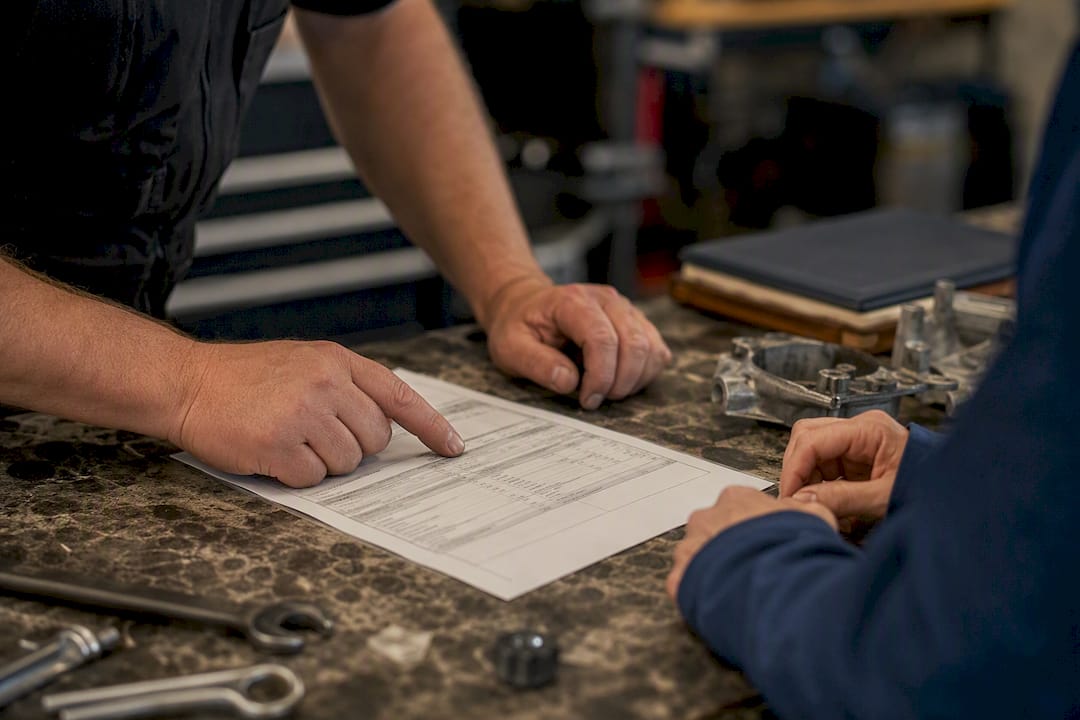
Insurers do not hand over fair diminished value payments. You have to build the file that makes lowballing indefensible.
Start with the three pillars: an independent appraisal, a vehicle history report, and a police report establishing fault. Layer in market evidence and a complete repair file, and you have something an adjuster or a judge can actually verify.
- Appraisal: an independent, market-based valuation of pre-loss and post-repair fair market value
- Vehicle history report: CARFAX or AutoCheck showing the accident flag
- Police report: documentation of fault
- Repair file: initial estimate, every supplement, final invoice, OEM vs. aftermarket parts list, and calibration or diagnostic reports
- Market comps: dealer trade-in offers, local comparable listings, auction data
Preserving and organizing the repair file in this much detail is what usually decides repair-related disputes, because it is the paper trail an insurer cannot wave away.
Pro Tip: Get the final invoice itemized down to part numbers. A generic “body repair, $4,200” line item gives you nothing to argue with later.
Which Valuation Method Actually Holds Up?
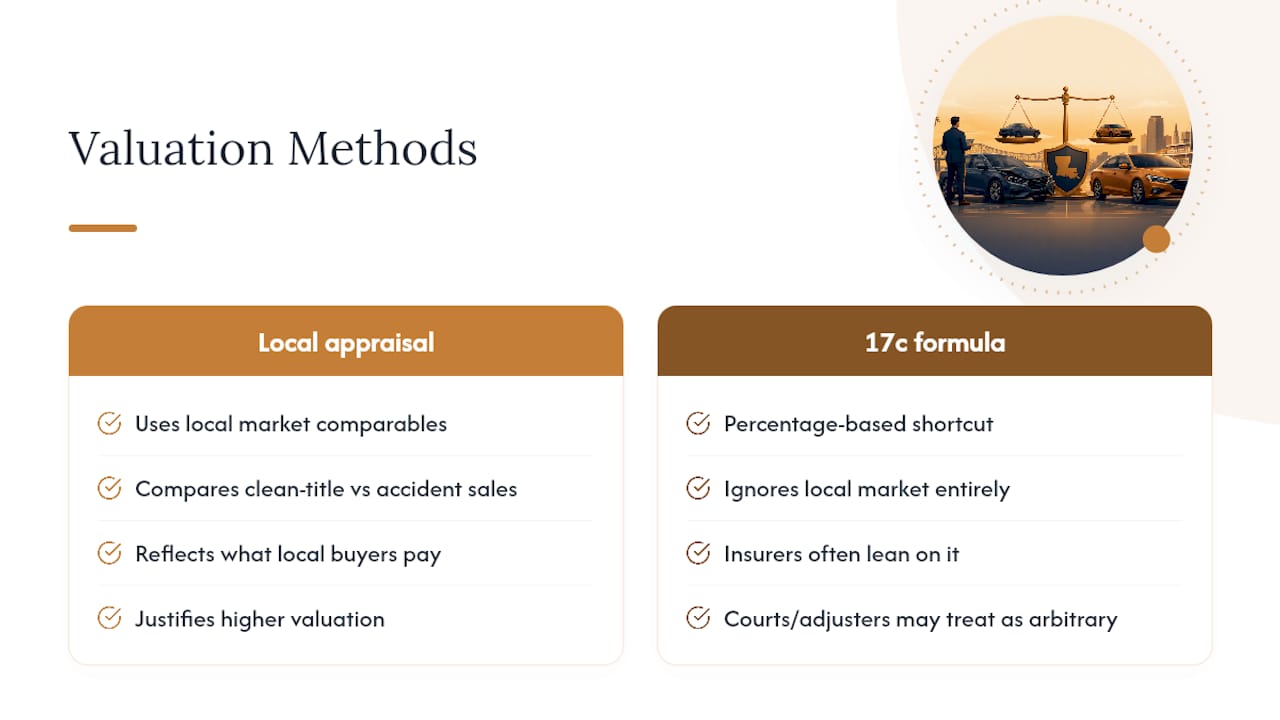
A professional appraisal built on local comparables beats a generic percentage formula almost every time. Appraisers pull pre-loss and post-repair market comps from your specific market, comparing clean-title sale prices against accident-flagged vehicles of the same make, model, and mileage.
Insurers often lean on the 17c formula, a percentage-based shortcut that ignores your local market entirely. Courts and adjusters increasingly treat 17c-style math as arbitrary when a real appraisal contradicts it.
A formula might undercount your loss badly on a low-mileage vehicle in a tight local market; an appraisal justifies a higher number precisely because it reflects what buyers in your area actually pay.
When picking an appraiser, look for USPAP-compliant methodology, courtroom experience, and appraisals that cite specific local sales rather than national averages.
How to File a Diminished Value Claim, Step by Step
- Preserve evidence. Photograph the damage, gather repair paperwork, and pull a vehicle history report showing the accident flag.
- Get an independent appraisal. Hire a qualified appraiser to establish pre-loss and post-repair fair market value using local comps.
- Send a certified demand letter. Include the VIN, the appraisal, the full repair file, and a clear statement of the amount owed under R.S. 9:2800.17. Sending it certified mail with return receipt creates a dated record of when the insurer received it.
- Negotiate with your comps. Use your appraisal and market data to counter any lowball offer.
- Escalate if needed. If the insurer stalls or refuses, small claims court or district court becomes the next step.
- Insurers typically respond to a demand letter within 30 to 45 days
- Keep every piece of correspondence in one file, dated and labeled
What If the Insurer Denies or Lowballs Your Claim?
Adjusters frequently open with a low, formula-driven number. The right counter is your own appraisal and comps, not a phone argument about fairness.
- If they cite a formula, demand the inputs and source data behind it
- If they deny the claim outright, request the denial in writing with a stated reason
- If they lowball, resubmit with your independent appraisal and local market comps attached
Attorney contingency fees for diminished value claims vary, so weigh that cost against your appraised loss before hiring counsel.
Lower-dollar claims often fit comfortably within small claims court, where no attorney is required. Larger claims, especially ones involving a total-loss dispute or a stubborn insurer, usually justify legal help. Either way, do not sit on the claim. The two-year prescriptive window does not pause for negotiation.
Mistakes That Quietly Kill a Diminished Value Claim
The most common error is accepting the first repair check without ever ordering an appraisal. Once you sign a release or cash a settlement check without reading the release language, you may forfeit the right to pursue diminished value separately.
- Skipping the independent appraisal and trusting the insurer’s number
- Signing a release without reading what it waives
- Losing track of supplements, parts lists, or the final invoice
- Waiting months to send a demand letter
Pro Tip: Send your demand by certified mail. That receipt is your proof of the date the insurer was put on notice, which matters if the claim ever ends up in court.
When Should You Call an Attorney or Your Agent?
- Call an attorney if the claimed loss is large, the insurer refuses to disclose its appraisal methodology, or fault is genuinely disputed.
- Call your insurance agent if you have coverage questions, need help coordinating with your own carrier, or are juggling a diminished value claim alongside a total-loss determination on your policy.
- Handle it yourself if the claim is modest and the insurer is cooperative, especially when it fits within small claims jurisdiction.
Pro Tip: Before that call, have your VIN, repair file, appraisal, and vehicle history report in one folder. It saves you a second phone call and makes you look like someone who is not going to be talked down.
What Louisiana Drivers Get Wrong About This Process
Most people assume diminished value is baked into their repair check. It is not. The at-fault driver’s insurer pays to fix your car, but the market stigma of an accident on record is a separate loss, and Louisiana law treats it that way for a reason.
I have watched families lose thousands of dollars simply because nobody told them diminished value existed as a distinct claim until the settlement was already signed. The statute gives you real recovery rights, but it does not enforce itself. You have to build the file, get the appraisal, and put the insurer on formal notice before they will move off their first number.
After 20 years running this agency, and coming from a family that has written policies in this state for four decades, I can tell you the claims that succeed are the ones where the owner treated documentation like a job, not an afterthought. The Root Agency has coordinated appraisal referrals and claim paperwork for clients navigating exactly this process, and the pattern is consistent: preparation beats persistence every time.
How The Root Agency Helps After the Wreck
The Root Agency is the local partner who stays on the line after the accident report is filed, not just when you are shopping for a new policy. We help clients organize the repair file, connect with qualified independent appraisers, and coordinate the paperwork that turns a diminished value claim into a documented demand instead of a guess.

Steve Root has spent more than 20 years handling Louisiana claims, backed by a family legacy that goes back four decades in this state’s insurance business. The agency holds 356 five-star Google reviews, and when hurricanes hit, our catastrophe response team deploys mobile units directly to the disaster zone rather than leaving clients to fend for themselves. That is the kind of follow-through a diminished value claim needs too.
If you have been in an accident and want a policy review or help coordinating your claim, call (225) 926-0160 or visit our auto insurance page to get started with a local agent who answers the phone.
Sources
- §2800.17. Liability for the diminution in the value of a damaged vehicle
- RS 9:2800.17 - Liability for the diminution in the value of a damaged vehicle (Justia)
- How to File a Diminished Value Claim in Louisiana - LegalClarity
- Louisiana Diminished Value Law Explained — Collision Safety Consultants of Southeastern Louisiana
- Diminished Value Claims in Louisiana — Stephen Babcock
Recommended
- Common Complaints Louisiana Insurance Carriers Face in 2026 | The Root Agency
- Liability Insurance Explained Simply for Louisiana Residents | The Root Agency
- Louisiana Landlord Insurance | The Root Agency
- How Anti-Concurrent Causation Clause Works: What Louisiana Homeowners Must Know | The Root Agency